


DAYTON, Ohio — Montgomery County is urging eligible homeowners and families to apply for help through its Lead Hazard Reduction Grant program, after receiving $3 million in federal funding to remove dangerous lead-based paint hazards from older homes, the county announced.
The funding, awarded by the U.S. Department of Housing and Urban Development, goes to Montgomery County Community and Economic Development, which oversees the program. It focuses on houses built before 1978 — the year lead paint was banned for residential use — where children under six live or visit regularly, according to the county’s program description.

Eligibility comes with a checklist: an identified lead hazard in the home, income limits, and current property taxes, mortgage payments and homeowners insurance. CountyCorp is fielding questions about the program at 937-225-6328, according to the county’s announcement.
The health stakes are the reason the program exists. Lead exposure is most dangerous for young children, whose developing brains and nervous systems absorb it more readily, and older housing stock is where the risk concentrates: two-thirds of homes in Ohio were built before 1978, meaning a majority of the state’s housing likely contains lead paint, according to data from Lead Free Ohio reported by WHIO.

In Montgomery County, between 19 and 27 ZIP codes contain residential areas with homes likely to have lead paint, WHIO reported. Ashley Stevely, interim director of the Center for Community Health at Dayton Children’s Hospital, has highlighted how environmental factors drive exposure even when there are no visible warning signs in a home, WHIO reported.
Montgomery County Community and Economic Development Director Emily Bradford framed the grant in the county’s announcement as a basic safety issue, saying protecting residents starts with making sure they have safe and healthy places to live.
The county program is one layer of a wider local effort. The City of Dayton runs its own lead and healthy homes work, including contractor training in lead-safe work practices, and federal lead hazard funding has flowed to Dayton-area governments in recent federal award cycles — all of it aimed at the same pre-1978 housing stock that dominates the region’s neighborhoods.
What we know — and what we’re still waiting on: What is confirmed is the $3 million HUD award, the pre-1978 and young-children focus, the eligibility checklist, and the CountyCorp contact line for applications. What is not yet known is how many homes the grant will ultimately treat, how quickly applications will be processed, and whether additional federal rounds will follow for the county’s remaining older homes.
The danger in an older home is rarely a wall of peeling paint. Lead hazards build up in the dust on windowsills and floors, in bare soil around a foundation, and in friction surfaces like old windows and doors — the places toddlers crawl, play and put their hands in their mouths. That is why the county’s program starts with an inspection that identifies the specific hazards in a specific home rather than treating every pre-1978 house the same, and why the work itself has to be done with lead-safe practices so the cleanup does not spread the dust it is meant to remove.
The federal program behind the grant has a stated purpose that matches the county’s checklist: the U.S. Department of Housing and Urban Development’s Lead Hazard Reduction Grant Program exists to maximize the number of children under the age of six protected from lead poisoning, according to the federal award record for the program. Montgomery County’s $3 million award is the local share of that national effort, aimed at the housing stock built in the decades when lead paint was standard.
Montgomery County’s housing makes the need plain. Dayton and its inner-ring suburbs carry some of the oldest housing in Ohio, much of it built long before 1978, and the county’s own eligibility rules — an identified hazard, a young child in the home, and a household current on taxes, mortgage and insurance — are designed to move the money first to the homes where a child is living with a known hazard today.
For families, the practical step is simple: a home built before 1978 with a child under six in it is exactly the home this program was written for, and the county is asking those households to come forward rather than wait for a hazard to be found some other way.
What happens next: applications are being taken now through CountyCorp at 937-225-6328, and Montgomery County Community and Economic Development will work through eligible homes as inspections identify lead hazards. NewsForce247 will follow the program’s first completed homes.
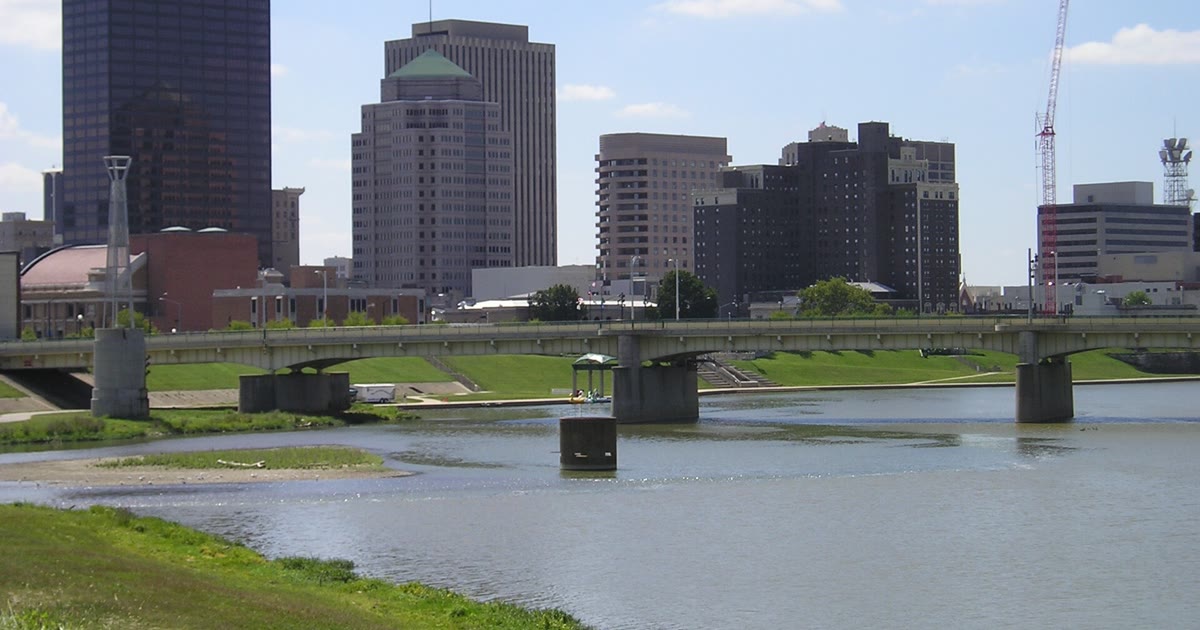
Photo: The Mighty Tim Inconnu, CC BY 2.0