


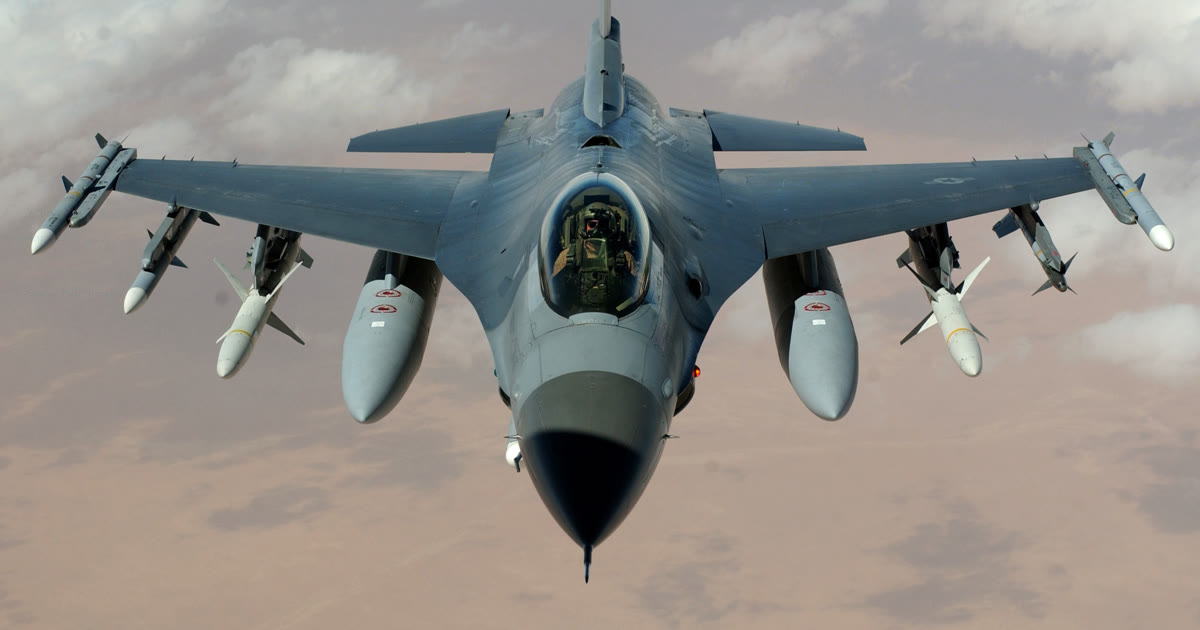
NORAD F-16 fighter aircraft intercepted a general aviation aircraft that violated a temporary flight restriction over Cincinnati on Saturday, Oct. 17, the North American Aerospace Defense Command announced. The intercept is the kind of air-defense response NORAD conducts when an unidentified or non-communicating aircraft enters protected airspace.
The intercept happened at approximately 3:00 p.m. Central time, according to NORAD’s statement issued from Tyndall Air Force Base in Florida. The civilian aircraft was safely escorted out of the restricted area by the NORAD jets, and the command reported no further incident during the encounter.

Temporary flight restrictions, or TFRs, are put in place to keep unauthorized aircraft out of a defined block of airspace for a set period. They are commonly issued for major public events, visits by senior officials and other security-sensitive activities, and pilots are responsible for checking for them before every flight.
NORAD said that should its aircraft intercept a general aviation aircraft, the pilot should immediately come up on radio frequency 121.5 or 243.0 and turn around to reverse course until receiving additional instructions on one of those frequencies. Following intercept instructions promptly — and communicating on the emergency frequencies — is the expected response for any general aviation pilot in that situation.

Pilots who violate TFR airspace may also be met by federal authorities upon landing and be subject to interview or further enforcement action, NORAD warned. Violations can carry consequences through the federal aviation system even when the entry into restricted airspace was unintentional, which is why flight-service briefings stress TFR checks so heavily.
The Continental U.S. NORAD Region, headquartered at Tyndall Air Force Base, was the operational lead for this mission. NORAD, the binational United States and Canadian command, routinely conducts intercept and airspace-protection operations across North America, and its fighters train for exactly this kind of escort-and-divert scenario.

NORAD directed pilots to its general aviation guidance online for more information about temporary flight restrictions and intercept procedures. No further details about the civilian aircraft, its pilot or its destination were released in the statement, and NORAD did not say what activity the Cincinnati flight restriction had been established to protect.