


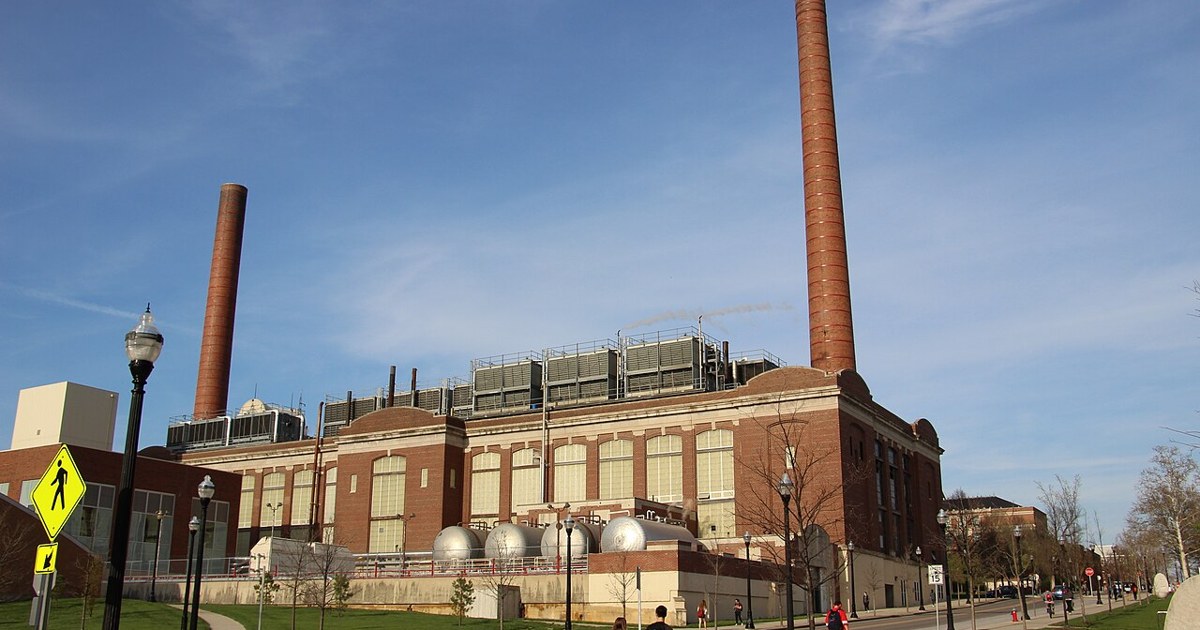
COLUMBUS, Ohio — After years of delays and hundreds of millions of dollars in budget overruns, Ohio State University’s 105-megawatt natural gas power plant is finally up and running, The Columbus Dispatch reported.
The Combined Heat and Power Plant, which will power a significant portion of campus including the Innovation District, officially opened in September 2026, The Columbus Dispatch reported. Ohio State spokesman Dan Hedman said in a statement that Ohio State paid $349 million on the project, significantly more than the initial $279 million budget, which was later revised with board approval to $289.9 million, The Columbus Dispatch reported.
The unofficial total cost of the project, however, will likely exceed $585 million, The Columbus Dispatch reported. Hedman told The Columbus Dispatch that any costs beyond $349 million are the responsibility of gas and electricity supplier Engie to pay, and that total is still being calculated.
Combined heat and power plants generate electricity with combustion turbines and then use exhaust heat to produce steam and to heat water, which is used to heat campus buildings, Ohio State officials previously told The Columbus Dispatch. Ohio State initially projected that the plant would reduce the university’s carbon emissions by 35 percent in its first full year of operations, The Columbus Dispatch reported.
When trustees approved the project in 2020, it was initially expected to cost $278 million and open in 2023, The Columbus Dispatch reported. Instead, the plant became a long-running problem for the university, plagued by delays and budget overruns. The project faced initial opposition from the Sierra Club, an environmental advocacy group that filed a petition to intervene, along with several Ohio State students, faculty and staff, but the Ohio Power Siting Board approved the construction, operation and maintenance of a natural-gas power plant in September 2020, The Columbus Dispatch reported.
Construction crews quickly ran into budget issues and delays because of the COVID-19 pandemic and supply chain problems, The Columbus Dispatch reported. Then, in August 2022, Ohio State Energy Partners dismissed the project’s initial contractor, New York-based Frank Lill and Son, halting construction. Work resumed that October with Engie as the new contractor, The Columbus Dispatch reported.
Trustees on the Ohio State Board of Trustees’ Master Planning and Facilities committee expressed their frustration with the project several times over the years, The Columbus Dispatch reported — a frustration now measured against a plant that arrived roughly three years behind its original schedule.
Hedman told The Columbus Dispatch that the university does not have a lot of data to share on emissions savings yet, since the plant has only been operating for a couple of months. Ohio State has seen a roughly 40 percent reduction in its total direct and indirect carbon emissions from a peak in 2018 to 2025, according to a university dashboard cited by The Columbus Dispatch.
The plant is also expected to save money by generating power on campus. Hedman told The Columbus Dispatch the plant is generating significant cost savings by reducing the amount of power the university must purchase from the market.
What we know — and what we’re still waiting on
What is confirmed, from Ohio State’s statements reported by The Columbus Dispatch, is that the plant opened in September 2026, that Ohio State’s share of the cost is $349 million, and that the total project cost is expected to exceed $585 million, with Engie responsible for the amount above the university’s share. What is not yet known is the final total — Engie is still calculating it — and whether the plant delivers the 35 percent first-year emissions reduction the university originally projected, a number Hedman told The Columbus Dispatch the university cannot yet document after only a couple of months of operation.

What happens next: Engie finishes calculating the project’s total cost, and Ohio State accumulates the operating record — a full year of generation, purchased-power savings and emissions data — against which the plant’s long-delayed promises will be judged.
Photo: Kevin Payravi, CC BY-SA