


Minimum Wage Increase

Beginning January 1, Ohio’s minimum wage will rise to $11 per hour for non-tipped employees and $5.50 per hour for tipped workers.
The annual increase follows a 2006 constitutional amendment that ties wage adjustments to inflation. The 2026 change reflects a 2.8% increase from the 2025 rate. Notably, the federal minimum wage has remained unchanged since 2009.

Cell Phone Restrictions in Schools
A statewide policy restricting cell phone use in public schools will officially take effect on January 1 under Senate Bill 158.

While many school districts already have similar policies, this law now requires all public schools to adopt formal plans prohibiting cell phone use during the school day. Exceptions exist for medical reasons with a doctor’s note and emergencies.
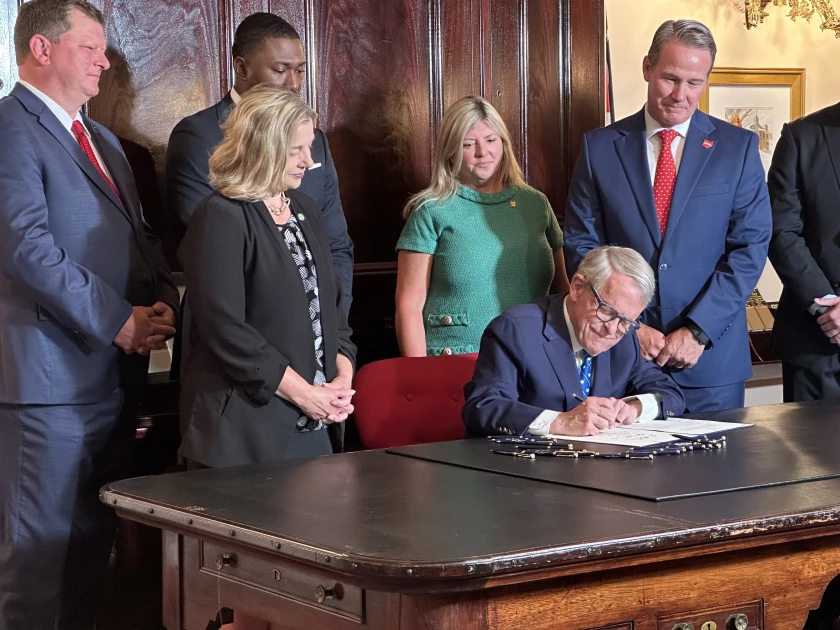
Governor Mike DeWine signed the legislation on June 30, 2025, after months of discussions about addressing classroom distractions, reducing cyberbullying, and improving student focus.

House Bill 57
Also taking effect in January, House Bill 57—known as “Keith’s Law”—introduces two key measures for schools and public safety.
First, schools that choose to carry overdose reversal medications like Narcan must now create a response plan and train staff on proper usage.
The bill also enhances Ohio’s Communication Disability Database, which gives first responders and 911 dispatchers critical information when assisting individuals whose disabilities may affect communication. Participation in this database is voluntary.
HB 57 takes effect January 19.
House Bill 248
Changes are also coming for those pursuing a career as a Certified Public Accountant (CPA) in Ohio.
House Bill 248, effective January 1, updates testing and licensure requirements to help address a shortage of CPAs across the state. Aspiring accountants can review the new standards through the Ohio Accountancy Board.